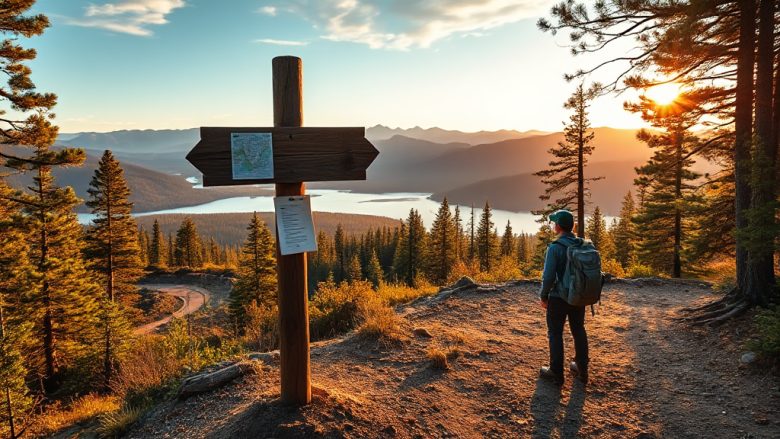
There’s a particular feeling that hits you the first time you stand at the edge of a national park. Maybe it’s the scale of the landscape, or the quiet, or the way the air smells different. It’s the reason people drive hours, wake before dawn, and haul heavy packs up steep trails. But that same excitement can turn sour fast if you arrive unprepared. A missed permit, a wrong turn at a closed gate, or a pair of trainers on a muddy path can turn a brilliant day into a stressful one. Everything you need to know about national park visits really comes down to a handful of small preparations made before you set off. This checklist walks you through each phase of a trip, from the planning stage to the moment you drive home, so you can spend less time worrying and more time looking up.
Before You Go: Planning and Permits
The biggest mistakes happen before anyone even leaves the house. Parks aren’t theme parks. They have limits, rules and fragile environments, and those limits exist for good reason.
Start with the calendar. Most national parks have a peak season, and it rarely matches what you’d expect. Coastal parks get busy in summer, desert parks fill up in spring and autumn when temperatures are bearable, and mountain parks can be heaving on a single sunny weekend in July. If you can travel midweek, do it. If you can’t, aim to arrive at the gate before 8am. The first two hours of the day are quieter, cooler and better for wildlife spotting. Late afternoon is the second-best window, especially in summer when day-trippers head home.
Check whether your chosen park needs a booking. Many now run timed-entry systems or require advance reservations for popular trails, campgrounds and shuttle buses. These systems change from year to year, so don’t rely on what a friend told you two summers ago. Look up the park’s own information a few weeks ahead and book anything that’s bookable. If a permit is free but limited, set a reminder for the release date. They can vanish within minutes for headline trails.
Think about what you actually want from the day. A short family stroll, a half-day hike and a full summit push require completely different kit and timing. Being honest about fitness and experience matters more than ambition. A park is not the place to discover you can’t read a map or that your boots rub. Match the plan to the least experienced person in your group, not the fittest.
Finally, tell someone where you’re going. Leave a note with your route, expected return time and vehicle details. Phone signal in parks is patchy at best and nonexistent at worst, so a text message sent from the trailhead may never arrive.
What to Pack and How to Prepare
Packing for a national park is less about gear and more about layers, water and common sense. Weather in these places shifts fast. A warm morning can turn into a cold, wet afternoon within an hour, particularly at altitude or near the coast.
Bring more water than feels necessary. A rough rule is half a litre per person per hour of walking, and more in heat. Dehydration sneaks up on people because the scenery distracts them. Food should be simple, high-energy and easy to eat on the move: nuts, fruit, oat bars, sandwiches that won’t wilt. Avoid anything that needs cooking unless you’re camping and have checked fire regulations, which are strict and often seasonal.
Footwear is the one item worth spending money on. Trail shoes or hiking boots with decent grip will handle gravel, roots and slick rock far better than fashion trainers. Break them in before the trip, not on the trail. Blisters have ruined more park visits than bad weather ever has.
Clothing should be layered. A moisture-wicking base layer, an insulating mid-layer and a waterproof shell cover almost every condition you’ll meet in a single day. Add a hat, sunglasses and sunscreen even if it’s cloudy. UV exposure is higher in the mountains and on water, and sunburn on a long walk is genuinely miserable.
Bring a paper map and a compass, or at least a downloaded offline map on your phone. Batteries die. Signal drops. A physical map weighs nothing and works everywhere. A small first-aid kit, a head torch, a whistle and a basic repair kit for your boots or pack round out the essentials.
Leave the drone at home unless you’ve confirmed it’s allowed. Many parks ban them outright, and even where they’re permitted, they disturb wildlife and other visitors. The same goes for loud speakers. Sound carries in valleys, and most people are there for the quiet.
When You Arrive and During Your Visit
The first hour in a park sets the tone. Arrive with a plan but stay flexible.
Stop at the visitor centre if there is one. Staff know which trails are closed, where the water sources are, and what the weather is doing higher up. They’ll also tell you which routes are overcrowded and which quiet alternatives are just as good. Pick up a trail map, check the noticeboard for warnings, and use the toilets before you set off. Facilities are often sparse beyond the trailhead.
Read the signs at the start of every trail. They list distance, elevation gain, estimated time and any hazards. Pay attention to the estimated time, not just the distance. A three-mile trail with a thousand feet of climb takes far longer than a flat three miles, and the return leg in fading light is where accidents happen.
Stick to marked paths. Cutting switchbacks erodes trails and damages fragile plants that can take decades to recover. If the path is muddy, walk through the mud rather than around it. Widening the trail causes more harm than dirty boots.
Give wildlife space. The rule of thumb is simple: if an animal reacts to your presence, you’re too close. Use a zoom lens rather than your feet. Never feed anything, however cute or persistent it seems. Fed animals become aggressive animals, and they usually pay the price.
Watch the clock. Set a turnaround time and honour it, even if you haven’t reached the viewpoint. Most rescues happen because people pushed on past their planned return. Fatigue, fading light and dropping temperatures combine badly.
Take breaks. Sit down, drink water, eat something, look around. A park isn’t a race. The best moments often happen when you stop moving, whether that’s a deer stepping onto the path or the light changing across a valley.
Leaving No Trace and Heading Home
How you leave matters as much as how you arrive. The principle behind leave no trace is straightforward: the next visitor should not be able to tell you were there.
Take all your rubbish with you, including fruit peel and coffee grounds. These don’t break down as quickly as people assume, and they attract animals. If you find litter that isn’t yours, picking it up is a small kindness that costs nothing.
Leave rocks, plants, fossils and artefacts exactly where they are. Removing them is illegal in most parks and robs everyone else of the same discovery. Photographs are the only souvenir worth taking.
If you’re camping, use established pitches and keep fires within designated rings, or skip the fire entirely if conditions are dry. Douse anything you burn until it’s cold to the touch. Human waste should be buried in a shallow hole well away from water, or carried out where required. It’s not glamorous, but it keeps places clean.
Before you drive away, do a final sweep of your pitch or picnic spot. Check for phone chargers, sunglasses, water bottles and anything small that’s easy to leave behind. Then check your vehicle for mud and seeds. Invasive species spread on tyres and boots, and a quick brush-down at the car park helps stop it.
Finally, drive carefully on park roads. Wildlife is most active at dawn and dusk, exactly when you’re likely to be leaving. Speed limits are low for a reason, and a collision with a deer or a bear ruins more than your holiday.
Everything you need to know about national park visits fits onto a single page if you boil it down: book ahead, pack layers, carry water, follow the signs, respect the wildlife, and leave the place better than you found it. Do that, and the parks will reward you with the kind of day you’ll still be talking about years later.
Frequently Asked Questions
Do I need to book national park entry in advance?
It depends on the park and the time of year. Many popular parks now use timed-entry or advance booking systems during peak season, while others remain open access. Check the specific park’s own information a few weeks before your trip, as rules change annually and permits for headline trails can sell out within minutes of release.
What should I do if I encounter wildlife on a trail?
Stay calm, keep your distance and never approach or feed the animal. If it reacts to your presence, you’re too close. Back away slowly, give it an escape route, and use a zoom lens if you want a photo. For large animals like bears or elk, group together, make yourself look big and speak calmly. Report any aggressive encounters to park staff.
How much water should I carry for a day hike?
As a rough guide, carry at least half a litre per person per hour of walking, and more in hot weather or at altitude. It’s better to carry too much than too little, since dehydration can creep up quickly. If you’re unsure about refill points, ask at the visitor centre before setting off.
Is it safe to visit a national park with children?
Yes, with planning. Choose shorter, well-marked trails, keep children within sight, and set clear rules about staying on the path and not approaching animals. Pack extra water, snacks and layers for them, and be ready to turn back early if energy or weather drops. Visitor centres often have family-friendly route suggestions.